







What are the Differences Between Mechanical Knob-Style Thermostats and Digital Electronic Thermostats?
What are the Differences Between Mechanical Knob-Style Thermostats and Digital Electronic Thermostats?
Choosing the right thermostat for your home or business can make a significant difference in both comfort and energy efficiency. While many homeowners still rely on traditional mechanical knob-style thermostats, newer digital electronic thermostats provide more accuracy, convenience, and long-term savings. Let’s take a closer look at the differences between these two types of thermostats, including their benefits and drawbacks.
Mechanical Knob-Style Thermostats
How They Work
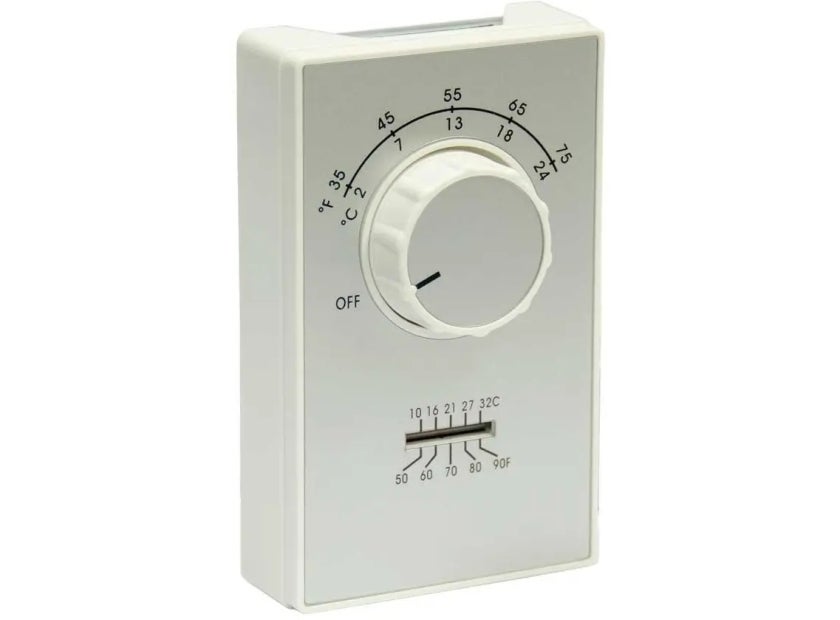
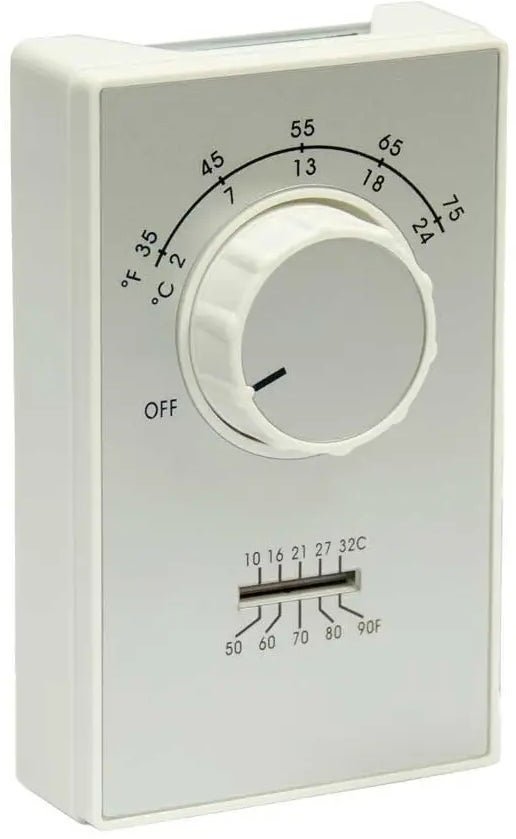
Mechanical thermostats operate using a bi-metal control that bends in response to temperature changes. This bending triggers a physical switch that turns your heating system on or off. While simple in design, this mechanism is slower to respond and less precise than modern alternatives.
Advantages of Mechanical Thermostats
- Lower Cost: Typically priced at around one-third the cost of digital thermostats, they remain a budget-friendly option.
- Simplicity: With easy-to-use dials, they are intuitive for basic temperature adjustments.
- Good for Simple Applications: In spaces where precise temperature control isn’t critical, they can still do an adequate job of maintaining comfort.
Drawbacks of Mechanical Thermostats
- Inaccuracy and Temperature Swings: Even when set to a specific temperature, the room may overshoot or undershoot due to the slow response of the bi-metal control. For example, the heat may continue running after the set point has been reached, causing uncomfortable fluctuations.
- Shorter Lifespan: Mechanical thermostats rely on physical switches that are limited in the number of cycles they can handle before wearing out.
- Limited Features: Beyond basic on/off control, they offer no scheduling or smart functionality.
Digital Electronic Thermostats
How They Work
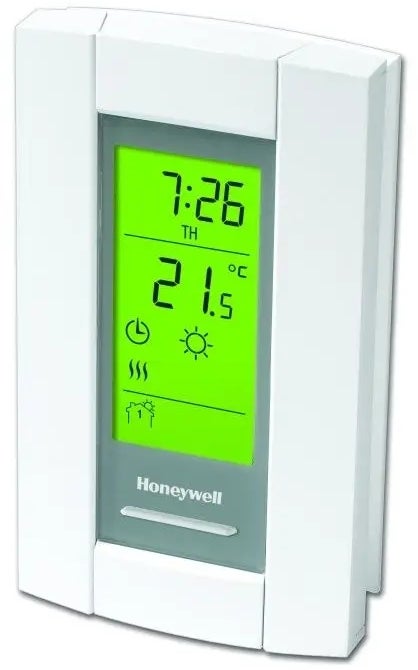
Digital thermostats use electronic sensors that detect and respond to changes in temperature more accurately and quickly. Many models feature predictive logic programming, which helps prevent overshooting by anticipating when to shut off heating based on current room conditions.
Advantages of Digital Thermostats
- High Accuracy: Temperature is measured and adjusted more precisely, keeping your space consistently comfortable.
- Faster Response: Electronic sensing allows quicker reactions to temperature changes.
- User-Friendly Displays: Modern thermostats feature clear digital screens, touch controls, and access to additional information such as current temperature, system status, and energy use.

Programmable Electronic Thermostats: Taking It a Step Further
One of the biggest advancements in thermostat technology is the programmable digital thermostat, which adds convenience, energy savings, and smart control options.
Benefits of Programmable Models
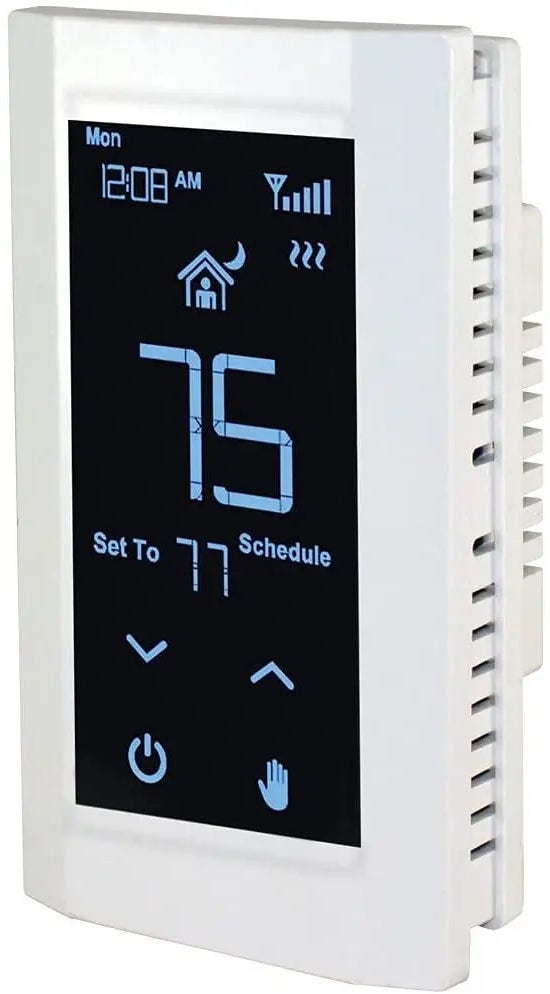
- 7-Day Scheduling: Customize your heating schedule to match your family’s daily routine, such as lowering the temperature at night or during work hours.
- Energy Savings: By automatically adjusting settings when you’re away or asleep, you avoid wasting energy and reduce your heating bills.
- Less Manual Adjustment: Once programmed, you spend less time fiddling with the thermostat.
- Remote Access: Many modern models allow you to monitor and adjust your thermostat from your smartphone or computer. Unlike some subscription-based systems, options like the King Electric HOOT series offer this feature with no extra cost to use the smartphone remote control, a valuable bonus for busy homeowners.
- Enhanced Control: Some smart models even let you lock the settings, ensuring no one changes the temperature unexpectedly.
Which Thermostat Is Right for You?
- If you want simplicity and low upfront cost, a mechanical knob-style thermostat might still make sense, especially for a garage, workshop, or space where precise temperature isn’t critical.
- If you value comfort, accuracy, and energy savings, a digital electronic thermostat is the better choice.
- For the best balance of convenience and efficiency, a programmable or smart digital thermostat is ideal. It ensures your home is warm when you need it and economical when you don’t.
Final Thoughts
Mechanical thermostats may still work for basic heating control, but their limitations in accuracy, lifespan, and efficiency make them less practical for modern energy-conscious homeowners. Digital electronic thermostats, especially programmable or smart models, not only improve comfort but also help reduce energy costs. With options like the HOOT series, which provides smartphone remote access at no additional cost, upgrading to a modern thermostat is a smart investment that pays off in comfort, savings, and convenience.