





How to Troubleshoot a Fan-Forced Electric Wall Heater

How to Troubleshoot a Fan-Forced Electric Wall Heater
Fan-forced electric wall heaters are a popular choice for heating rooms quickly and effectively. They combine the efficiency of electric heating elements with the circulation power of a built-in fan, helping to evenly distribute warmth throughout the space. These modern heaters are very safe and reliable. However, occasional issues can arise over time due to failed electrical components or airflow restrictions.
This guide is provided to offer simple troubleshooting techniques to help you get your heater up and running again. We will start out by describing how the heater functions and the primary components that make up the heater. Next, we will dive into the basic troubleshooting techniques.
How do fan-forced electric wall heaters work?
Fan-forced electric wall heaters use an internal fan to push air across a heating element. The warm air exits the unit and circulates throughout the room, providing consistent and quick heat. The process is controlled by a thermostat—either wall-mounted or built directly into the heater—that switches the unit on whenever the room temperature drops below the set point.
When activated, power flows to both the heating element and a fan-delay device. The fan-delay ensures the element heats up before the fan begins circulating air, preventing cold drafts. A high-limit safety device is built in to protect against overheating, shutting off the heater if internal temperatures rise too high. Once the room reaches the desired temperature, the thermostat opens the circuit and the heater shuts down.
What are the basic components of a fan-forced electric wall heater?
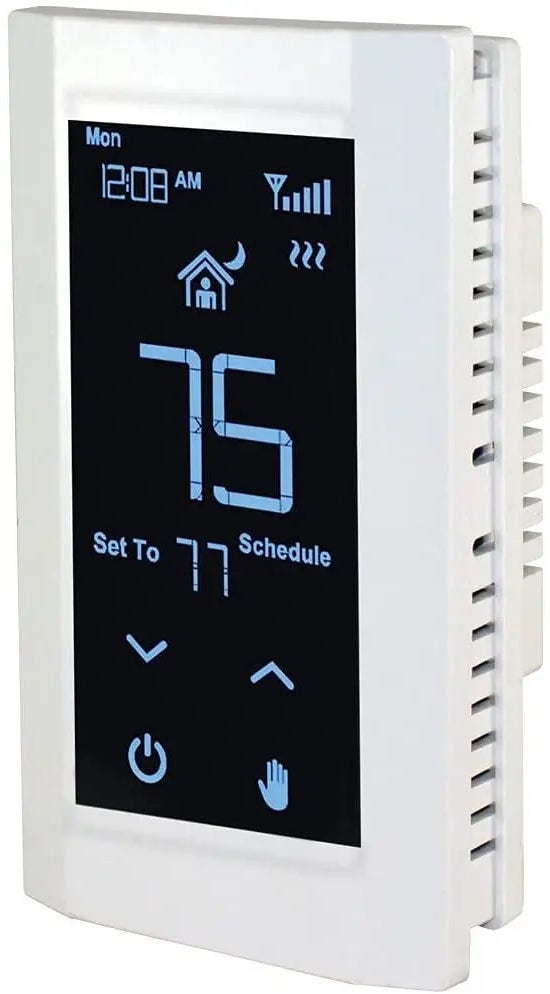

Thermostat
The thermostat is essential for regulating room temperature. It may be mounted on the wall or integrated into the heater with an adjustment dial. The thermostat works by opening and closing an internal switch to supply or cut off power to the heater.

Finned tubular heating element

Open coil heating element
Heating Element
The heating element is the core of the unit, converting electricity into heat. Wall heaters may use a finned tubular heating element or an open coil (looks like a spring) heating element. When energized, the heating element will rapidly increase in temperature.

Enclosed

C-Frame

Tangential
Fan Motor
The fan motor distributes warm air by forcing it across the heating element. Designs can vary, including enclosed motors, C-frame motors, or tangential blower assemblies.


High Limit Device
The high limit device is designed to cut power to the heating element in the event where the internal heater temperature exceeds a safe level. Most of these devices will automatically reset when the internal temperature of the heater falls back to a safe level, however, some high limit devices will need to be manually reset after it trips from a high temperature condition.

Fan Delay
The fan delay device is typically positioned on or very near the heating element. Its purpose is to prevent power from going to the fan motor until the heating element warms up to a specific temperature. This prevents the heater from blowing out cold air on initial startup.

Disconnect Switch
Many commercial and architectural fan forced wall heaters will have a built-in disconnect switch. This switch gives the field service technician a convenient and efficient method for disconnecting the power at the unit itself, avoiding the need to access the main breaker panel.
How do I troubleshoot a fan-forced electric wall heater?
This troubleshooting guide is designed for DIY individuals that have a good understanding of electrical troubleshooting and the use of basic electrical instrumentation such as multimeters, voltmeters, and continuity testers.
Caution: Before inspecting or working on any electric heater, make sure to turn off power to the heater by turning off the circuit breaker to the heater.
Issue #1: The wall heater stopped working (The fan motor is not working and the heating element is not warming up).

Since the fan motor and the heating element are not working, power is not getting to the fan motor or the heating element. The most common cause would be a tripped circuit breaker which is preventing any power from getting to the heater. Reset the circuit breaker. If the heater has a built-in disconnect switch, make sure it is set to the “On” position.

Another cause of power not getting to the fan motor or heating element is a tripped high-limit that has a manual reset feature. This can occur if a high internal heater temperature has been reached. The high-limit shuts off power to the heating element. You will need to wait for the heater to cool down in order to be able to reset the high-limit by pushing the reset button.

If the circuit breaker did not trip, the disconnect is in the “On” position, and the manual reset high-limit did not trip, your next step is to look at the internal wiring of the heater. Disconnect all power Check for any loose connections and burned or discolored wires. Loose connections can cause overheating of electrical wires which will cause wire discoloration and wire brittleness which can cause a break in the wire. Replace any burned or broken wires.

If all the electrical wiring and internal connections look good, your issue is more than likely a faulty thermostat. A faulty thermostat will prevent power from getting to the fan motor and heating element. Check the thermostat for continuity using an ohmmeter or continuity tester (Note: You will need to remove all wiring from the thermostat in order to perform this test). When you turn the thermostat above the room temperature, you should get continuity between the thermostat terminals. If you never get continuity no matter what setting the thermostat is set to, the thermostat needs to be replaced. Note: If you have a mechanical thermostat, you will hear a click when you turn up the temperature dial. The click is the sound of the contacts within the thermostat closing and is a good indicator that the thermostat is working. However, it is still possible that you will hear a click but the contacts inside the thermostat are not closing properly and therefore there is no continuity. Replace the faulty thermostat. The click is the sound of the contacts within the thermostat closing and is a good indicator that the thermostat is working. However, it is still possible that you will hear a click but the contacts inside the thermostat are not closing properly and therefore there is no continuity.
Issue #2: The heating element warms up but the fan motor never turns on.

This situation can occur if the motor has failed or the fan-delay has failed or fallen out of its designed location.
The first step is to check for any obvious loose electrical connections. Next, use a voltmeter to check for power getting to the fan motor. This test requires power on at the heater, extreme caution must be used to prevent electrical shock. If voltage is present at the motor terminals but the motor is not turning, replace the motor.
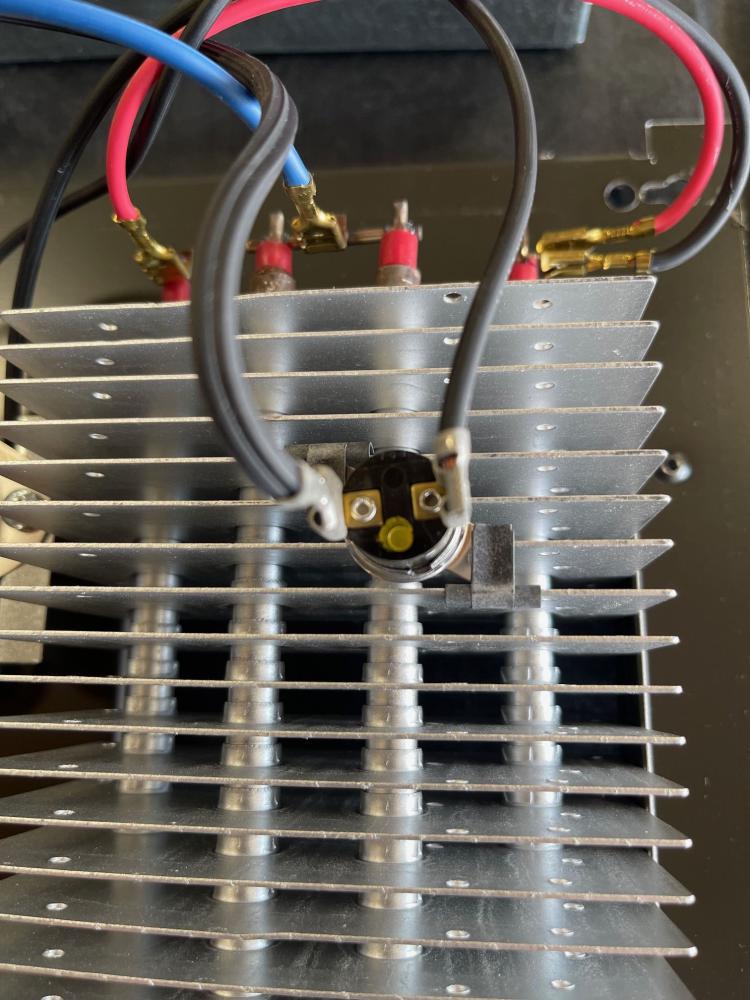
If no power is getting to the fan motor, check the fan-delay for its proper position and continuity. If the fan-delay is not in its proper position, it will not read the heating element temperature correctly and therefore will not function properly. If it is in its proper position, you will need to check its continuity using an ohmmeter or continuity tester. You can remove the fan delay from the heater and then use a hair dryer as a heat source to warm up the fan-delay when performing this test or you can keep power on at the heater and leave the fan delay in place but extreme caution must be used to prevent electrical shock. Note: You will need to remove all wiring from the fan-delay in order to perform this test. When the fan-delay is at a high temperature, you should read continuity (no resistance) between the fan-delay terminals. If you are not getting continuity, the fan-delay needs to be replaced.
Issue #3: Thermostat is set to full on but the heater only runs for a short time and then stops. It does not come back on until the heater cools down.
This issue can occur in an internal overheating situation. The high limit device is causing the heater to turn on and off. You need to look for any blockage in air flow. It could be an internal blockage or an external blockage. Clear the blockage, reset the high-limit, and start the heater again to see if the issue is resolved.
Issue #4: The heater turns on but then turns off before the room warms up to a comfortable level.
This issue can occur if the heater has an integral thermostat and an obstruction is to close to the front of the heater (such as a couch). The warm air from the heater is not able to circulate freely into the room causing the thermostat turn off before the room gets to a comfortable level.
Any object preventing the warm air from the heater to circulate properly into the room can also cause the internal temperature of the heater to exceed its high limit. This will cause the high-limit device in the heater to shut down the heater.
Remove any object that is preventing the warm air from the heater to circulate freely in the room.
Conclusion
Fan-forced electric wall heaters remain a reliable way to maintain comfort in homes and offices. By understanding their operation, key components, and common issues, you can often solve problems on your own. Always practice safety, and if in doubt, contact a licensed technician for assistance. With care and prompt troubleshooting, these heaters will provide years of dependable service.