







Why Do Homeowners Get Frustrated with Roof & Gutter Controls Such as the EasyHeat RS-2, Danfoss RX1200, and Similar Devices?
Why Do Homeowners Get Frustrated with Roof & Gutter Controls Such as the EasyHeat RS-2, Danfoss RX1200, and Similar Devices?
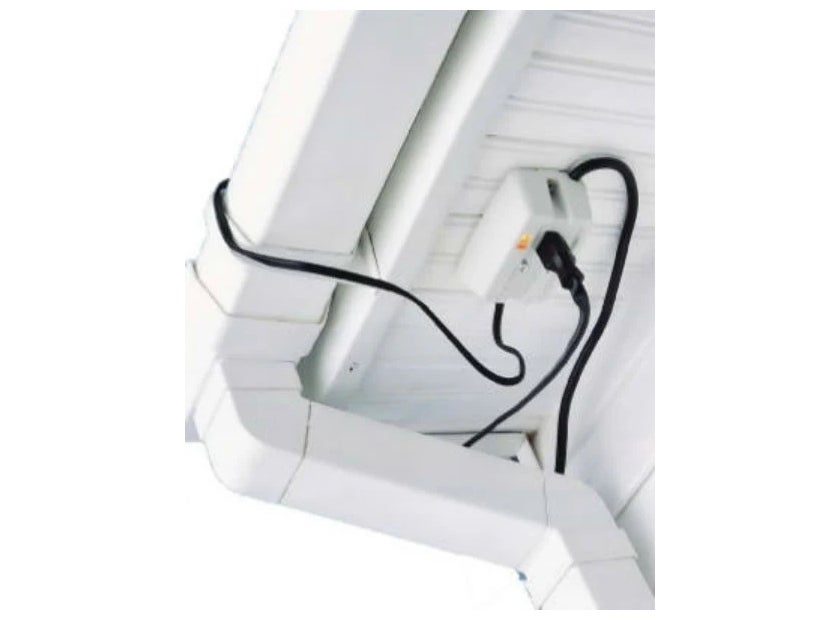
Roof and gutter de-icing systems are designed to protect homes from ice dams, water backup, and costly roof damage. At the heart of these systems are controls like the EasyHeat RS-2, Danfoss RX1200, and other similar devices. These controls are efficient, reliable, and purpose-built, but many homeowners become frustrated with them, often returning units that are actually functioning exactly as intended.
So why does this frustration occur? Let’s explore the reasons.
Misunderstanding How the Controls Work
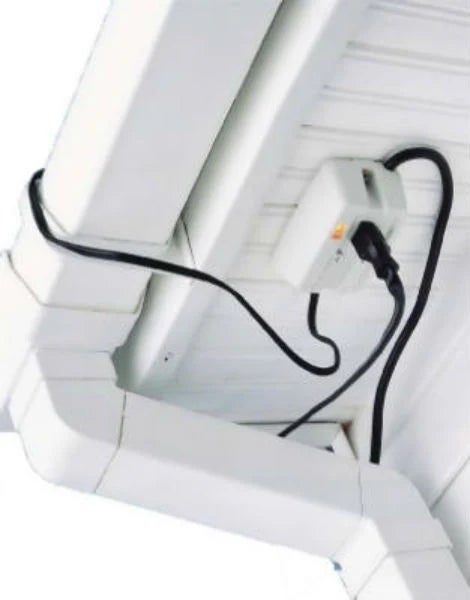
The number one source of frustration is a lack of understanding about how these controls operate.
A common concern we hear is:
“I noticed during the last snowfall that the cables weren’t turning on, there was no melting happening on the roof. I think the control is defective.”
At first glance, this sounds logical, snow is falling, so the heating system should be working, right? Not exactly.
These controls are designed with two key conditions that must be met before they turn on the heating cables:
1. Temperature must be below 40°F (4°C).
2. The sensor must detect the presence of water along at least 10 inches of the sensing wire.
This means that snow or ice alone will not trigger the system. Homeowners often assume that simply having snow on or around the sensor should activate the cables, but the control is waiting for meltwater. Until melting starts, there’s no need to waste energy, and the cable is typically not even capable of melting all the snow. In areas with extreme snow, there may only be channels (holes) that are a few inches across going through the snow and ice that are barely visible, yet the water flows through fine. These are called valley channels and gutter channels in the heat cable industry. Whether the channel is on the roof, roof edge, valley or gutter, they are all interconnected, allowing water to flow all the way to the ground.

Why the Design Is Intentional
It may seem counterintuitive, but this design is actually the smartest and most efficient way to protect your home. Here’s why:
- Energy efficiency: Running the cables whenever snow is present would waste electricity. The system only turns on when water needs to flow.
- Ice dam prevention: The real threat comes when melting snow can’t drain, causing water to back up under shingles and into attics or soffits. By activating only when meltwater is detected, the cables create a clear pathway through gutters and downspouts, solving the problem at the source.
- Longer system life: Minimizing unnecessary runtime helps extend the life of the heating cables and control units.
In short, the system isn’t broken, it’s working smarter, not harder.
The Numbers Tell the Story
Our internal analysis has shown that as little as 1% of returned controllers are actually defective. Nearly all “problem” returns are functioning exactly as designed. The issue isn’t faulty equipment, it’s misaligned expectations.
Helping Homeowners Avoid Frustration
If you’re a homeowner using one of these systems, here are a few tips to avoid unnecessary worry:
- Understand what to expect: Don’t assume snow = cables on. Watch for melting conditions instead.
- Trust the system: These devices are carefully engineered for both protection and efficiency.
- Look for results, not activity: The goal isn’t to melt all the snow off your roof, it’s to create drainage paths for water.
Final Thoughts
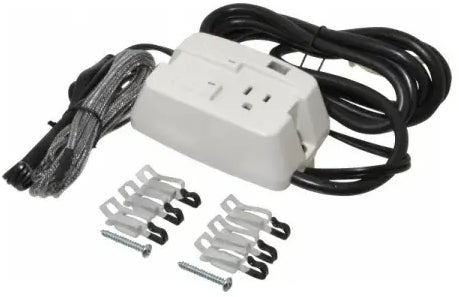
Roof and gutter de-icing controls like the EasyHeat RS-2 and Danfoss RX1200 are highly effective when understood and used properly. They may not behave the way many expect, but their design is purposeful: saving energy, extending equipment life, and preventing costly water damage.
Frustration usually comes from misunderstanding, not malfunction. By knowing how these controls truly work, homeowners can gain confidence in their investment and let the system quietly do its job, protecting their home when it matters most.