







Excessive Room Temperature Variation?

Excessive Room Temperature Variation?
Have you ever noticed that one of your rooms feels warm and cozy for a while, only to feel chilly not long after? If you use electric heaters, you already know how convenient they are since each room can be controlled individually. However, rooms can experience wide temperature swings that leave you uncomfortable. This article will investigate the reasons for temperature variations and what you can do to eliminate excessive temperature swings.
Common Reasons for Temperature Fluctuations
The comfort level in a room depends on more than just turning the heater on and setting the thermostat. Temperature variations often come from a combination of three main issues:
- Where the thermostat is located.
- What type of thermostat is being used.
- Whether the heater is the right size for the space.
Other elements, such as airflow, furniture placement, and insulation, can also influence how evenly a room heats up. Let’s take a closer look at each of these.
Thermostat Placement Matters
A thermostat works by measuring the temperature of the air around it. If it is installed in the wrong spot, it won’t give an accurate reading of the room.

Built-In (Integral) Thermostats
Many heaters come with a thermostat already built into the unit. While this makes installation simple, it can cause misleading readings. Since the thermostat is attached to the heater itself, it senses air that is warmer than the rest of the room. This often causes the heater to shut off before the room has had a chance to fully warm up.
The problem gets worse if furniture is placed in front of the heater. A sofa or curtain can trap the heat, causing the thermostat to think the room is warmer than it really is. Even if you turn the thermostat higher, the heater may still shut down too soon, leaving the room uncomfortably cold.

Wall-Mounted Thermostats
For the most consistent comfort, a separate wall-mounted thermostat is the better choice. Ideally, the heater should be placed on an exterior wall while the thermostat is positioned across the room on an interior wall. This arrangement gives the thermostat a better reading of the overall room temperature, leading to fewer swings and a more comfortable environment.
Thermostat Type Makes a Difference

Not all thermostats react the same way to temperature changes. Mechanical thermostats, the kind with a simple dial, tend to react more slowly. This means the heater may run too long or shut off too late, causing hot and cold swings.
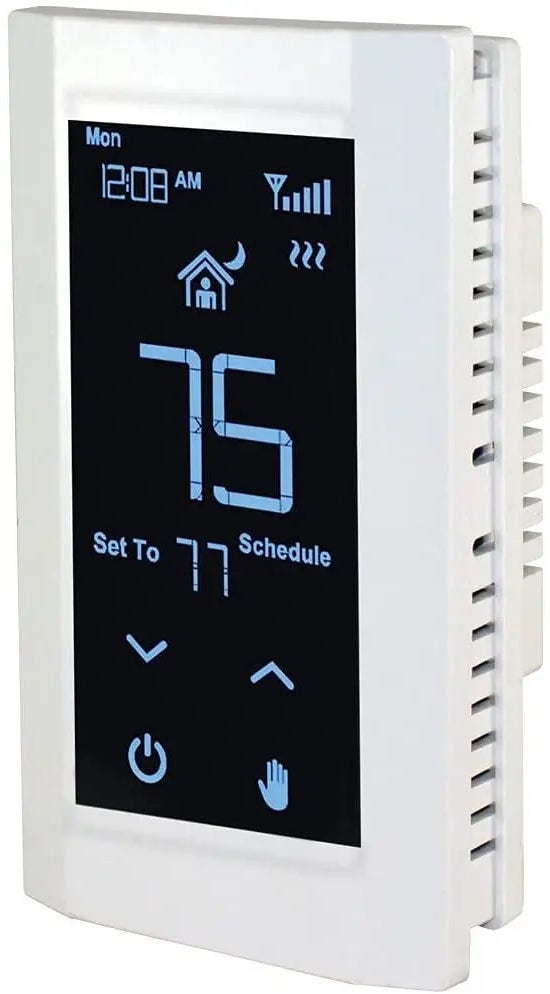
Digital thermostats are much more responsive. They sense changes in temperature quickly, turning the heater on or off at just the right time. Many digital models also include programmable settings, so you can automatically adjust temperatures throughout the day. This not only improves comfort but also helps reduce energy use by avoiding unnecessary heating.
Heater Size (Wattage) Must Match the Room
Selecting the proper size heater is another critical factor in maintaining comfort.
· Undersized Heater: If the heater is too small, the room will take an excessive amount of time to reach the desired temperature or it may never reach it at all. This leads to discomfort and inefficient operation.
· Oversized Heater: If the heater is too large, it may heat the room too quickly and overshoot the desired temperature. The thermostat may not respond fast enough, causing uncomfortable swings from hot to cold.
To avoid these issues, it’s important to size your heater correctly. A good rule of thumb is to plan for about 10 watts per square foot in a well-insulated room. For larger or poorly insulated spaces, additional wattage may be needed. Professional sizing assistance can also help ensure you get the right fit for your room.
Closing Thoughts
Maintaining a steady and comfortable room temperature with electric heat depends on a balance of proper equipment, thoughtful placement, and smart controls. By choosing the right type of thermostat, installing it in the best location, and ensuring your heater is properly sized, you can significantly reduce frustrating hot and cold swings. When these elements are working together, electric heat becomes one of the most comfortable, flexible, and reliable heating options available for your home. With just a few adjustments, you can enjoy a consistently cozy environment in every room, all season long.