





Electric Wall Heaters vs Electric Baseboard Heaters
Electric Wall Heaters vs Electric Baseboard Heaters
Basic Function of Electric Baseboard Heaters and Electric Wall Heaters
When considering the best way to heat your home, it’s helpful to understand how different types of electric heaters actually work. Both electric wall heaters and electric baseboard heaters are designed to provide reliable warmth, but they do so using different methods. By learning the basics of how these heaters function, you’ll be able to make a more confident decision about which option will work best in your living space. The good news is that both are effective and convenient solutions for maintaining a comfortable indoor temperature.
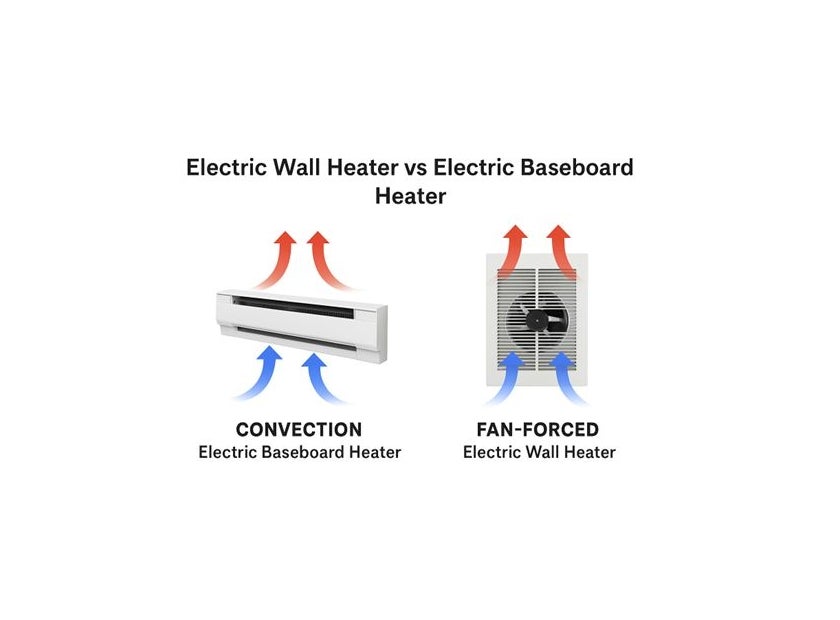
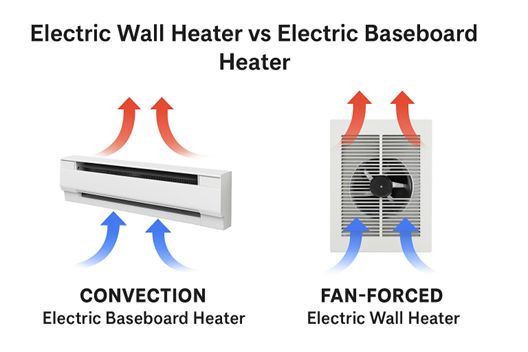
Electric baseboard heaters rely on the natural movement of air across a heating element. As the cold air is heated by the element, the air rises through the fins of the heater and then flows into the room. Electric wall heaters, on the other hand, typically use a fan motor to push air across the heating element. This forced air system quickly circulates warm air throughout the room.
Both systems are dependable, but their different approaches to heating make them better suited for specific needs. Understanding how they operate sets the stage for comparing size, longevity, and other important factors. No matter which one you choose, you’ll benefit from efficient electric heating tailored to your space.
Heater Size and Watt Density
One of the most noticeable differences between electric wall heaters and baseboard heaters is their physical size. The size of the heater is influenced by the heating element watt density. This factor not only influences how much space the heater occupies but also affects how efficiently the heater transfers heat. By understanding watt density, you can get a better sense of how each heater works within your home.
Baseboard heaters use a low watt density heating element. This means the element has a lower surface temperature but requires more space to distribute heat effectively. As a result, baseboard heaters take up more wall space. In contrast, wall heaters use a fan to move air across a high watt density element. The fan allows the element to run hotter while staying safe and compact, which minimizes the overall size of the heater.
This difference in design makes wall heaters a great choice for rooms where wall space is limited, while baseboard heaters can be a perfect fit for larger areas with available wall length. Both types offer efficient solutions, but their space requirements make them uniquely advantageous depending on the layout of your home.
Life Expectancy
When investing in a heating system, longevity is an important factor to consider. Different heater designs can impact how long your unit will last and how much maintenance you might expect over time. Fortunately, electric heaters are known for their durability, but the specific style you choose can influence life expectancy.
Baseboard heaters generally last longer than wall heaters. They have no moving parts, and their low watt density heating elements maintain lower surface temperatures, both of which contribute to a longer lifespan. Wall heaters, with fan motors and higher watt density elements, may not last as long since moving parts naturally wear over time.
Even though wall heaters may not last as long as baseboard heaters, they still provide many years of reliable service. Baseboard heaters shine when it comes to long-term durability, making them a great option if longevity is a top priority.
Heater Noise Levels
Comfort isn’t just about temperature—it’s also about the environment you create in your home. Noise levels can play a big role in how comfortable a heating solution feels day to day. Both wall and baseboard heaters are efficient, but they differ when it comes to sound.
Wall heaters use a fan to circulate warm air, which generates some noise. Typically, their sound level falls between 30dB and 50dB. For reference, normal conversation is around 60dB. Baseboard heaters, however, do not have moving parts and are virtually silent in operation.
If quiet operation is a priority—for example, in bedrooms or study areas—baseboard heaters are an excellent choice. Wall heaters still maintain a relatively low sound level, so they remain a comfortable option in living spaces and areas where some background noise is acceptable.
Making the Choice
Choosing between an electric wall heater and a baseboard heater comes down to your individual needs and preferences. Both are effective at providing consistent warmth, but the best option depends on your home’s layout and what features matter most to you. By reviewing wall space, expected lifespan, and noise levels, you can confidently select a heater that meets your lifestyle.
Wall heaters are ideal when wall space is limited, offering compact designs and fast heat distribution. Baseboard heaters, on the other hand, excel in longevity and quiet operation, making them perfect for long-term use in spaces where peace and durability are highly valued.
No matter which type of electric heater you choose, you can expect reliable performance and the benefits of clean, efficient electric heating. Both options provide comfort and warmth, helping you create a welcoming home environment tailored to your needs.